About Me
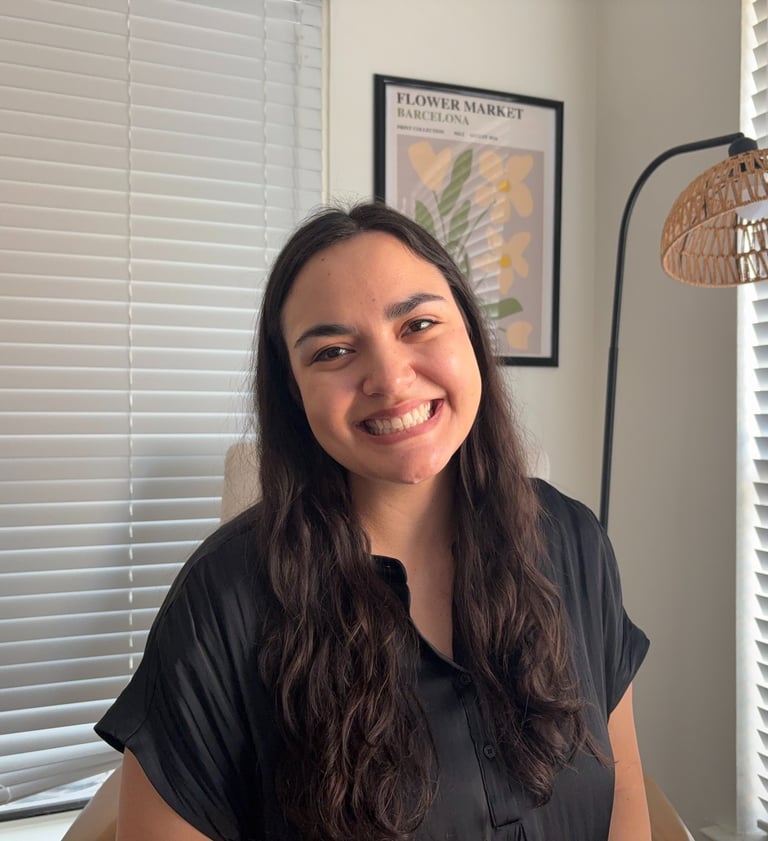
Hi, I’m Kailee—a speech-language pathologist helping caregivers support stroke recovery at home.
If you’re here, you’re likely trying to help someone you love after a stroke, brain injury, or neurological condition…
…and you may be feeling overwhelmed, unsure what actually helps, or wondering if you’re doing the “right” things.
You’re not alone—and you don’t have to figure this out on your own.

Why I Do This Work
My passion for stroke recovery and speech therapy started long before I became a speech-language pathologist.
When I was young, my grandfather in Hawaii had a stroke. I remember visiting him and feeling scared—he couldn’t communicate, and everything felt different.
But over time, I watched his recovery.
I saw how powerful it was when he began to regain his speech and communication skills—and how deeply that impacted his quality of life and our family’s connection.
That experience led me to pursue a career helping adults recover from:
Stroke (CVA)
Traumatic brain injury (TBI)
Aphasia and communication disorders
Cognitive impairments (memory, attention, problem-solving)
Speech disorders (dysarthria, apraxia)
Swallowing disorders (dysphagia)


Acute care hospitals
Inpatient rehabilitation
Skilled nursing and assisted living
In-home therapy
Communication and language skills
Cognitive function and daily problem-solving
Speech clarity and voice
Swallowing safety and independence
Through this experience, I’ve helped patients improve:
I’ve worked across the full continuum of care in medical speech therapy, including:
My Experience in Adult Rehabilitation

The Gap in Stroke & Brain Injury Recovery
Across every setting, I kept seeing the same problem:
Caregivers were expected to support recovery…
but weren’t given clear, practical caregiver education or home therapy strategies.
Families were:
Overwhelmed by new diagnoses like aphasia, dysphagia, or cognitive impairment
Unsure what actually supports neuro recovery
Limited by insurance restrictions on speech therapy services
Stuck waiting weeks (or months) to start therapy
They wanted to help—but didn’t know how.
And I knew there needed to be more accessible stroke recovery resources for caregivers.
Why I Created Aloha Rehabilitation
I created Aloha Rehabilitation to provide simple, effective, and accessible speech therapy–based resources for home use.
My approach focuses on:
Because recovery doesn’t just happen in therapy sessions.
It happens every day—through conversation, routines, and meaningful interactions at home.


Easy-to-understand caregiver education
At-home speech therapy exercises
Cognitive rehabilitation strategies for daily life
Swallowing safety guidance and support
Functional, real-life communication practice
A Little More About Me
Outside of my work in speech therapy and stroke rehabilitation, you’ll usually find me:
Keeping up with my toddler son
Baking and trying new recipes
Dancing in the kitchen
Traveling to spend time with family
What “Aloha” Means to Me
“Aloha” reflects both my family roots and the values behind my work.
It represents:
Community
Compassion
Connection
Supporting and uplifting one another
That’s the kind of space I’ve created here—one where you feel supported, encouraged, and capable.


Start Your Stroke Recovery Support Journey
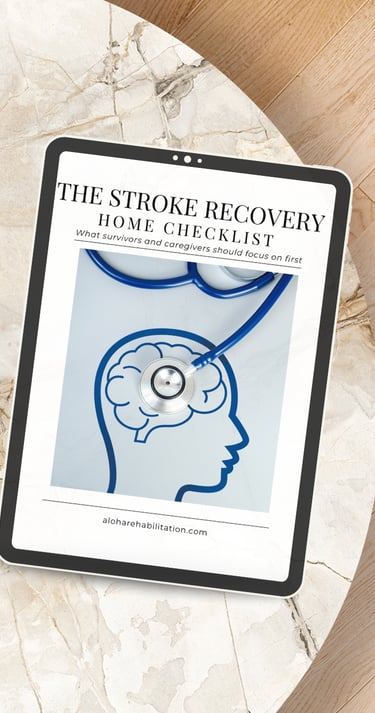
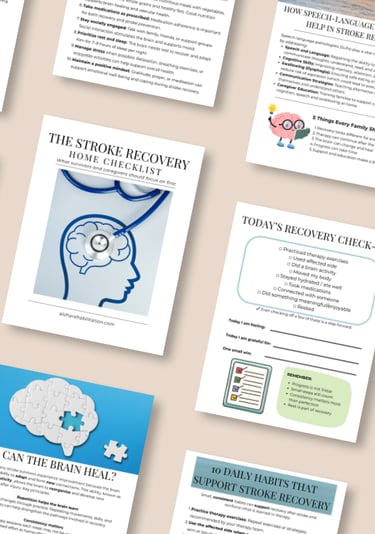
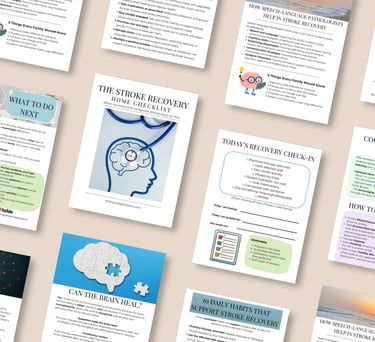
If you’re not sure where to begin, I’ve created free stroke recovery resources for caregivers to help you take the first step.
These include:
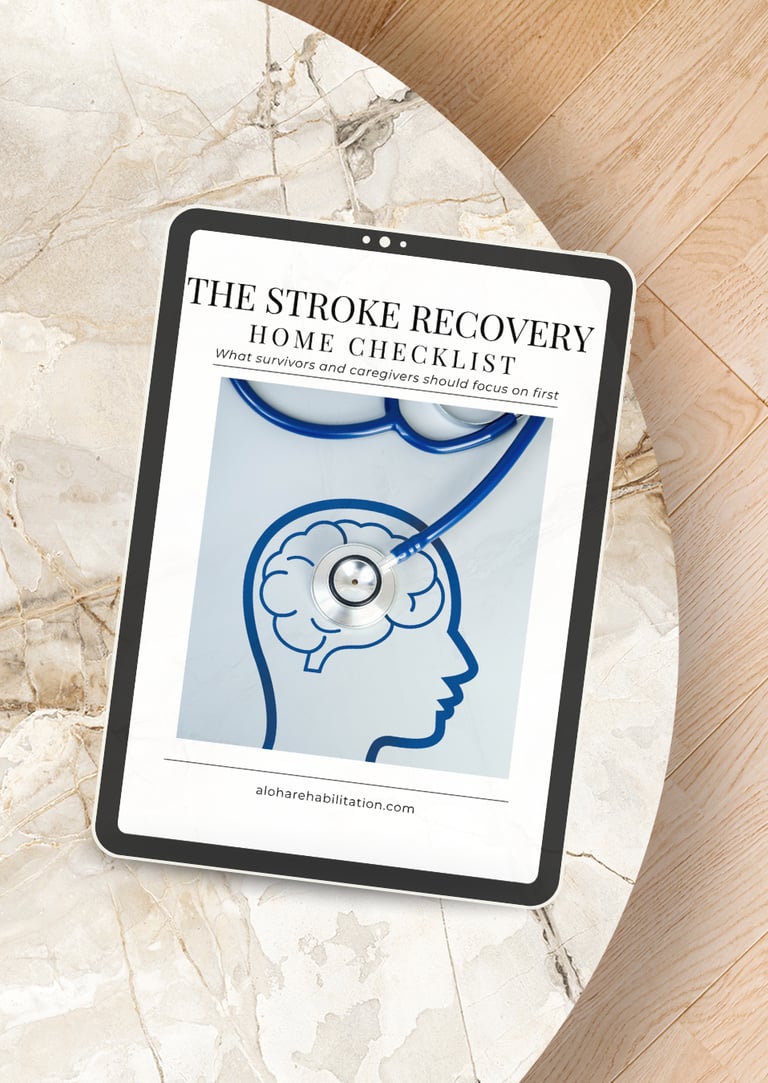


Simple speech therapy exercises at home
Cognitive activities for memory and attention
Practical tips for aphasia, dysarthria, and dysphagia
Easy-to-follow strategies you can start right away
Contact
Here to support your recovery journey
hello@aloharehabilitation.com
© 2026. All rights reserved.